Is Indian Food Healthy? What You Need to Know Before Your Next Meal
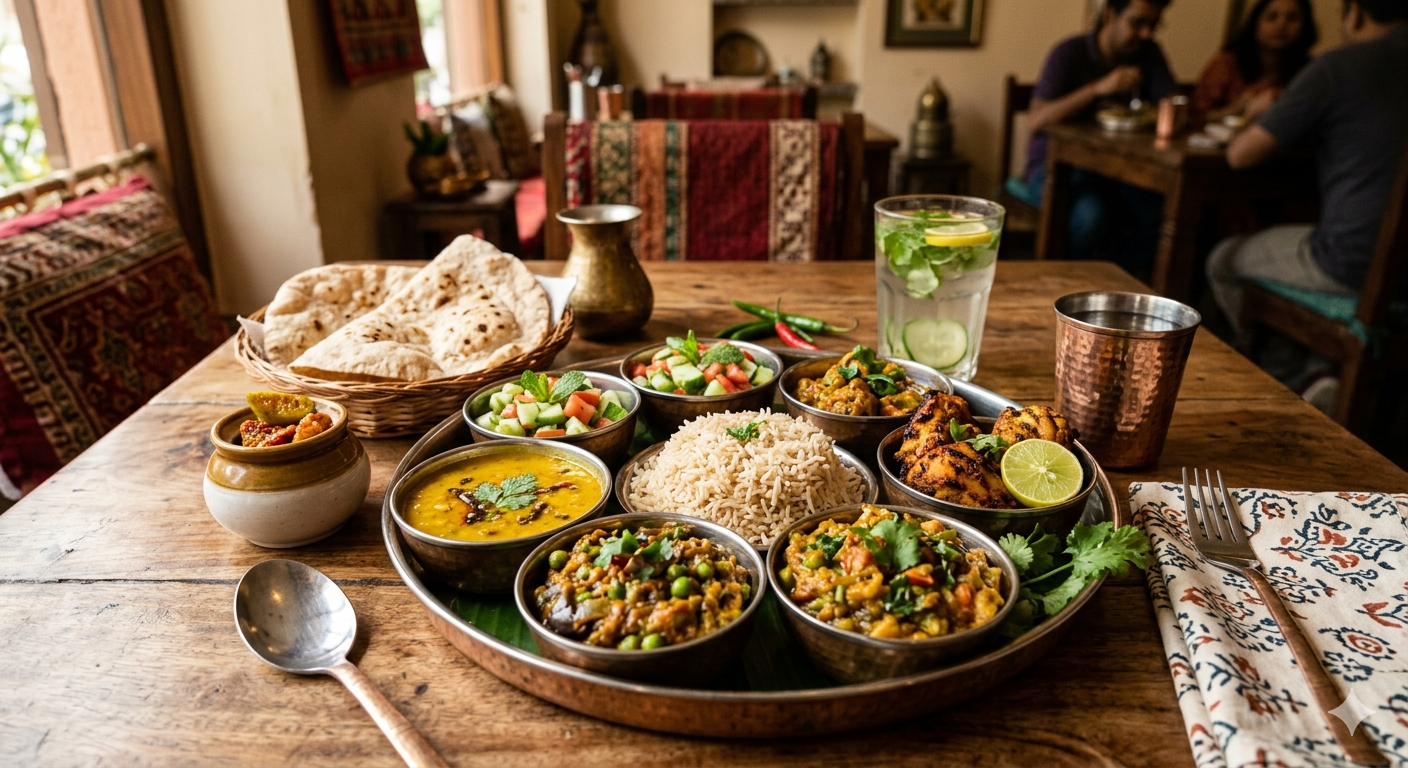
A balanced Indian meal featuring protein-rich lentils, roasted meats, and fresh vegetables.
When you think of Indian food, do you picture rich, buttery sauces and deep-fried appetizers? Or do you see a vibrant palette of lentils, fresh vegetables, and metabolism-boosting spices? The truth is, Indian cuisine is a double-edged sword when it comes to nutrition. Depending on how it’s prepared, it can be one of the most balanced diets on the planet or a calorie-heavy indulgence.
In this guide, we’ll break down Indian food nutrition facts, highlight the healthiest dishes, and show you how to navigate a menu like a pro. Whether you are looking for low calorie Indian food or protein-packed Indian vegetarian healthy meals, here is everything you need to know.
The Science of Spice: Why Indian Food Can Be Incredibly Healthy
At its core, traditional Indian cooking is rooted in Ayurvedic principles, focusing on balance and digestion. Many of the staples used in Indian kitchens are "superfoods" in their own right:
- Turmeric: Contains curcumin, a powerful anti-inflammatory compound.
- Lentils and Chickpeas: These provide a massive dose of plant-based protein and fiber, essential for heart health and blood sugar regulation.
- Ginger and Garlic: Known for boosting immunity and aiding digestion.
- Fermented Foods: Dishes like Idli and Dosa use fermented batters, which are excellent for gut health.
Navigating the Menu: Healthy vs. Indulgent Options
The "healthiness" of your meal often depends on the cooking method. If you are ordering from Pooja Exotic Indian Cuisine, here is a quick guide to making better choices:
1. Choose Tandoori Over Fried
Instead of deep-fried Samosas or Pakoras, opt for Tandoori-style cooking. Because these items are roasted in a clay oven at high temperatures, they require very little oil. Tandoori Chicken or Paneer Tikka are fantastic healthy Indian dishes high in protein and low in saturated fat.
2. Look for "Tarka" Instead of "Makhani"
If a dish is labeled "Makhani" (butter) or "Malai" (cream), it’s likely high in calories. Instead, look for Dal Tadka or vegetable dishes that use a tomato and onion base. These offer the same deep flavor with a fraction of the fat content.
3. Don't Skip the Pulses
For those seeking Indian vegetarian healthy meals, lentils (Dal) and chickpeas (Chana) are your best friends. They are high in folate, iron, and magnesium, making them a complete nutritional powerhouse.
Pro Tip: Balance your plate. A healthy Indian meal should consist of 50% vegetables, 25% protein (lentils or lean meat), and 25% whole grains or a single piece of Roti.
Indian Food Nutrition Facts at a Glance
Is Indian food healthy for weight loss? It certainly can be. Here is a general breakdown of common components:
| Dish Type | Health Benefit | Verdict |
|---|---|---|
| Dal (Lentils) | High fiber, High protein | Excellent |
| Baingan Bharta | Low calorie, Roasted veggies | Great Choice |
| Biryani | Complete meal, but high carb | Moderation |
Enjoy Authentic & Healthy Indian Flavors Today
You don't have to sacrifice health for flavor. By choosing grilled meats, fiber-rich lentils, and vegetable-forward sides, Indian cuisine becomes a gold mine for clean eating.
Ready to experience the perfect balance of health and taste? Explore the diverse menu at Pooja Exotic Indian Cuisine. Whether you're craving a protein-packed Tandoori platter or a light, nutritious Dal, we have something for every lifestyle.
Visit us: Pooja Restaurant Warren
ORDER ONLINE NOW
Keywords used: is Indian food healthy, healthy Indian dishes, Indian food nutrition facts, low calorie Indian food, Indian vegetarian healthy meals.